BMI 25 overweight or normal?
How to Reach a Healthy BMI?
BMI 25 overweight or normal? A BMI of exactly 25 sits right on the border. Technically it's classified as 'overweight,' but for most people it carries minimal health risk - and context matters enormously.
Your actual concerns!
1. My BMI is exactly 25. Should I worry?.
2. Do I need to lose weight?.
3. How much weight would I need to lose to get below 25?.
4. Can a BMI of 25 be healthy?.
5. What should I do next?.
A BMI of 25.0 is only 0.1 points above the normal range. Small daily weight fluctuations, clothing, hydration, and measurement differences can easily move someone between 24.9 and 25.1.
If you are 5'8" (173 cm) and weigh 164 lb (74 kg), losing just 1-2 pounds may move your BMI below 25. A muscular person can have a BMI above 25 while maintaining low body fat because BMI does not distinguish muscle from fat.
Check Your BMI Now
Every person's situation is different. Use our Instant BMI Calculator to calculate your BMI, check your weight category, and learn what your result may mean for your health.
✓ Instant results
✓ No registration required
✓ Works for both metric and imperial units
BMI Calculator
Calculate your Body Mass Index based on weight, height & age
<18.5 Normal
18.5-24.9 Overweight
25-29.9 Obese
30-39.9 Severe
≥40
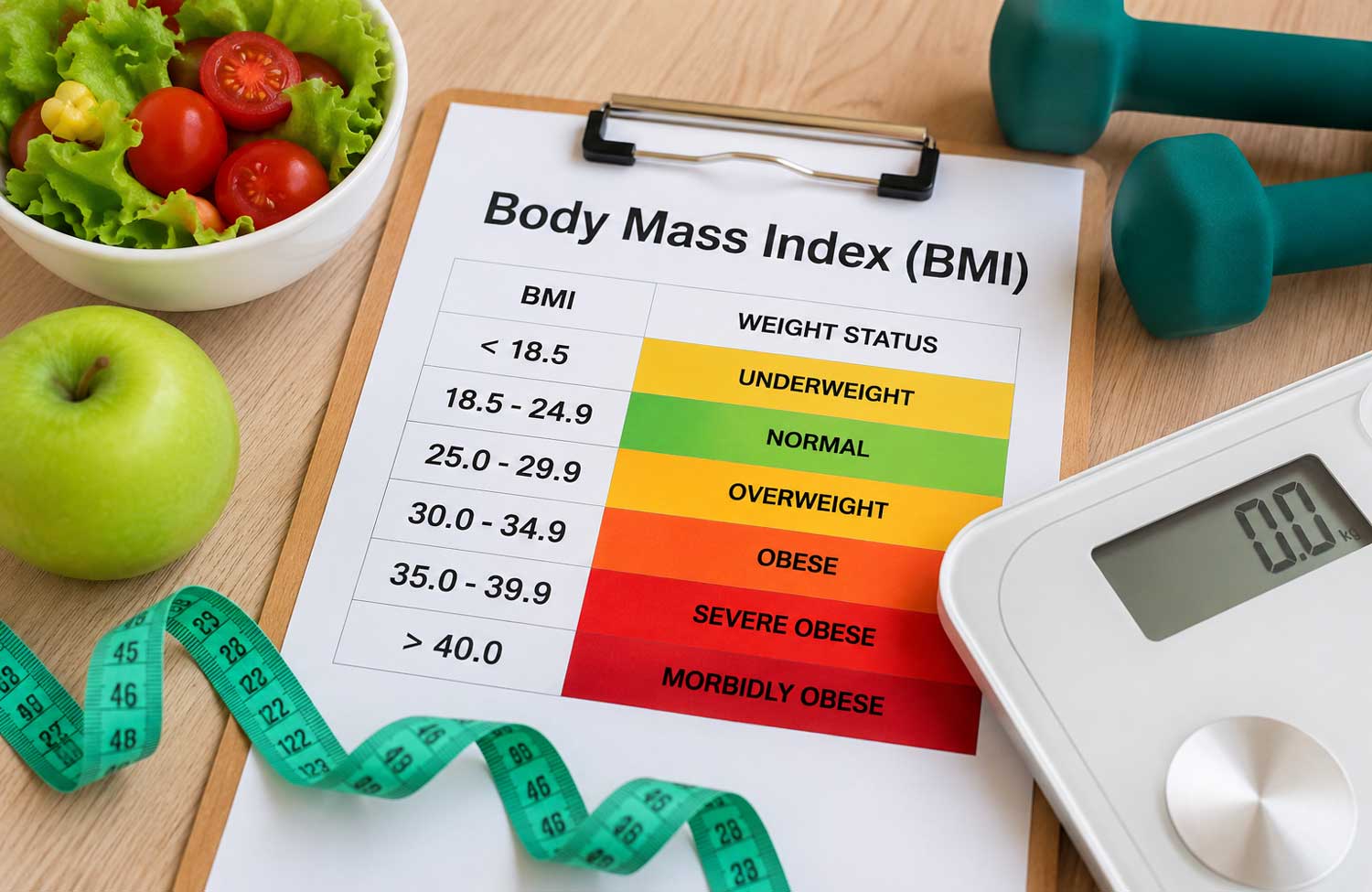
| BMI | Category | Health risk |
|---|---|---|
| < 18.5 | Underweight | Increased (nutritional) |
| 18.5 - 24.9 | Normal weight | Lowest average risk |
| 25.0 - 29.9 | Overweight | Mildly increased |
| 30.0 - 34.9 | Obese class I | Moderately increased |
| 35.0 - 39.9 | Obese class II | Severely increased |
| ≥ 40.0 | Obese class III | Very severely increased |
Disclaimer: This calculator is for informational purposes only and is not a substitute for professional medical advice. BMI does not account for muscle mass, bone density, or fat distribution. Always consult a qualified healthcare professional before making health decisions.
Understanding Your BMI Results
After using the BMI calculator, you'll receive a BMI score based on the height and weight information you entered. This result helps estimate whether your weight falls within the underweight, normal weight, overweight, or obesity categories. While BMI is a useful screening tool, it does not directly measure body fat, muscle mass, or overall health. Your result should be viewed as a starting point for understanding your weight status rather than a complete health assessment. Factors such as age, sex, body composition, fitness level, and waist circumference can also influence health risks. If your BMI falls outside the normal range, small lifestyle changes may help improve your long-term health. Consider discussing your results with a healthcare professional if you have concerns about your weight or overall wellness. Use your BMI result together with other health indicators to gain a more complete picture of your health. Tracking your BMI over time can help you monitor changes in your weight and evaluate the effectiveness of your health and fitness efforts. Remember that healthy progress is usually gradual, and even modest improvements can have meaningful benefits. If your goal is weight loss, weight gain, or weight maintenance, combining balanced nutrition with regular physical activity is often the most sustainable approach. Recalculating your BMI periodically can help you stay informed and motivated as you work toward your health goals.